
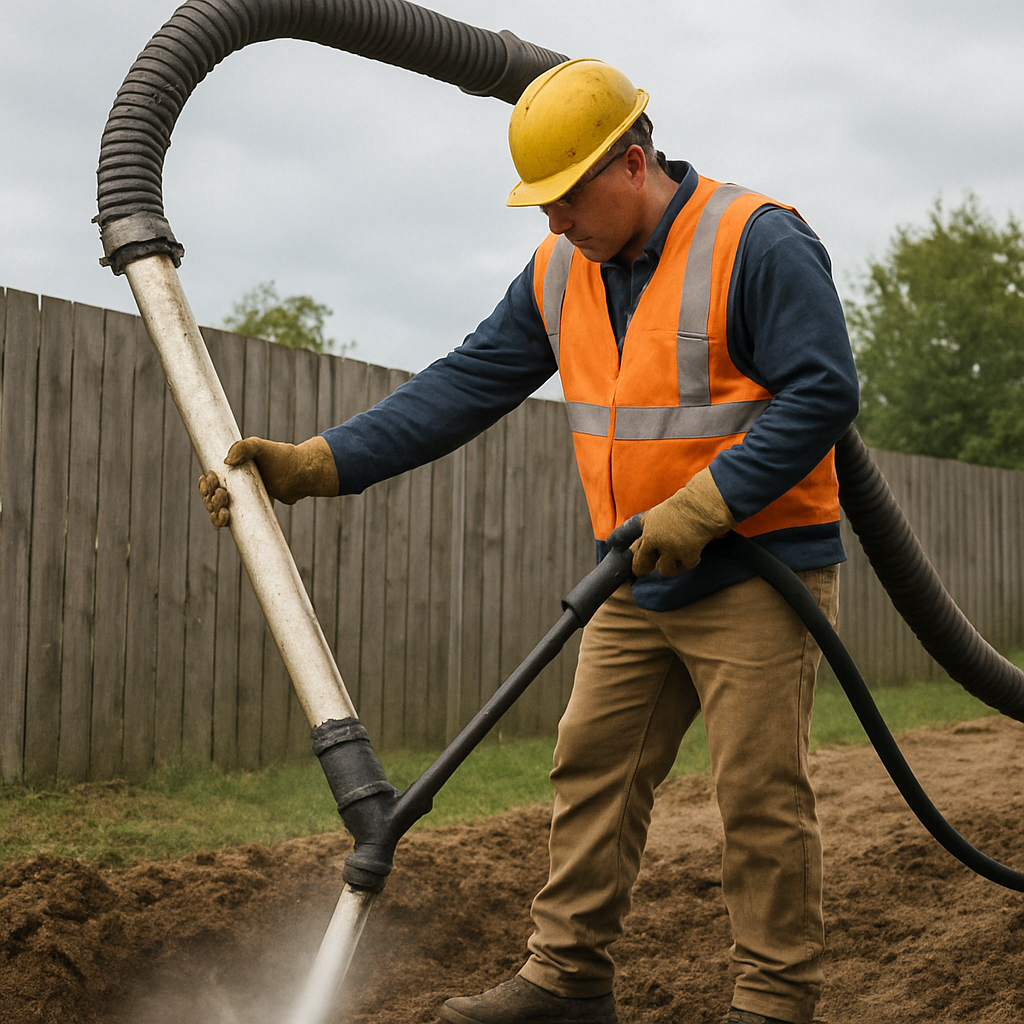
Every few weeks someone rings up wanting a vac truck, and the conversation goes about the same way. They ask about wet hire, hear the rate, go quiet for a second, then ask, “Can we just take it ourselves?”
Sometimes that’s a good call. Sometimes it’s the most expensive decision they’ll make on the whole job.
So this is the difference between the two, explained the way I’d explain it to someone standing next to the truck.
What the terms mean
Wet hire means the machine comes with an operator. Someone turns up who knows the truck, runs it, digs what you need dug, and usually sorts out the spoil. You pay one rate for the lot, normally by the hour with a minimum.
Dry hire means you get the gear and that’s it. Your crew runs it. Your fuel, your water, your tip runs. And mostly, your problem if something goes wrong.
With a lot of plant, that’s a fairly simple choice. With vac gear it isn’t, because of why you’re using it in the first place. Nobody hires a vacuum excavator for fun. You hire one because there’s something in the ground you really don’t want to hit. Gas. HV cable. A Telstra or NBN line. A water main that’ll flood the street.
The truck is basically a big tank, a water pump and a very strong fan. The part that matters is the person holding the wand.
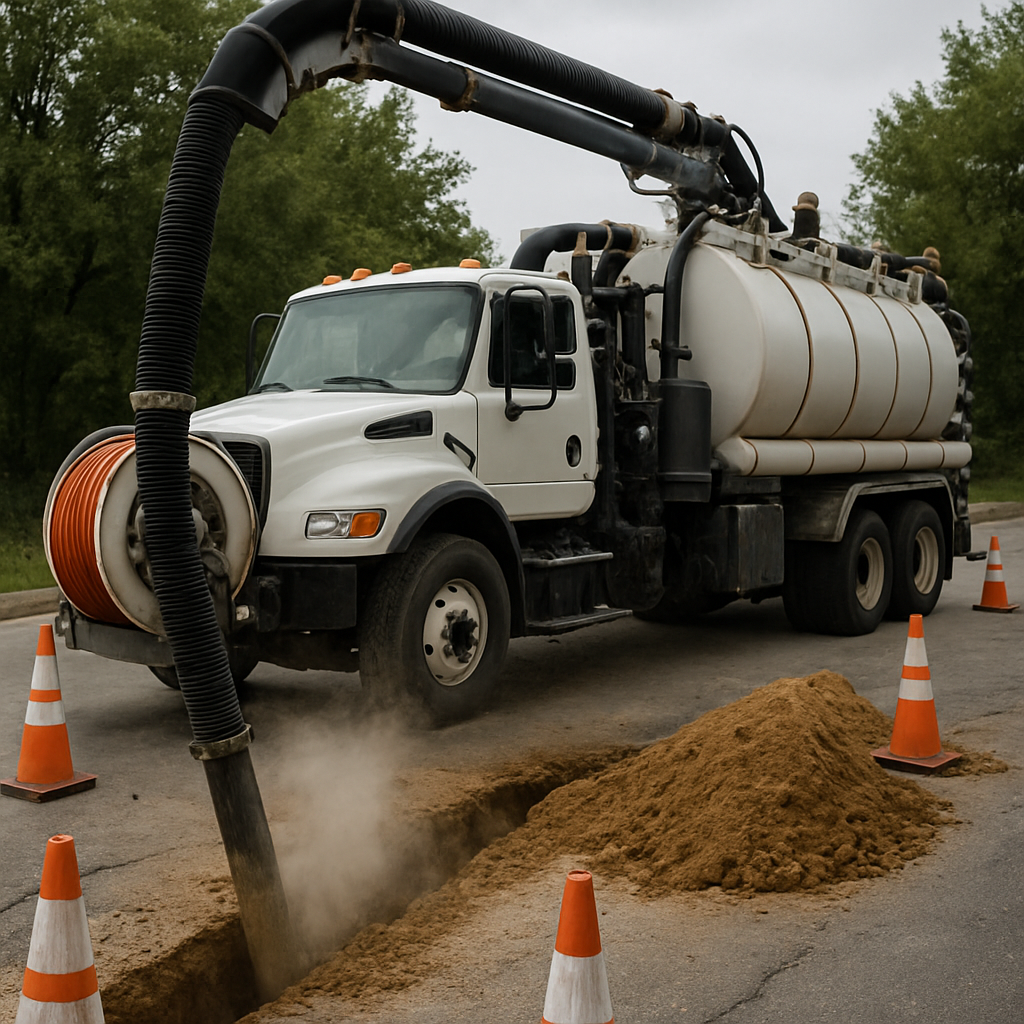
Dry hire suits some crews really well
I’m not going to pretend dry hire is always a mistake. Plenty of outfits do it every week and do it well.
They’re usually civil contractors, utility crews, council teams or plumbing companies that do heaps of potholing. They’ve already got operators who’ve spent years on vac gear. Those blokes hold the right licence for the truck (most full-size units need an HR or HC). The insurance is sorted. Their SWMS already covers non-destructive digging.
For a crew like that, dry hire gives you control. The truck sits on your site all week. You use it at 6am or 4pm without ringing anyone. On a long job, say three weeks of trenching along a road reserve, the numbers can stack up nicely.
It doesn’t suit the builder who’s never touched one and reckons it’s a pressure cleaner with a hose attached. It isn’t.
What you’re signing up for with dry hire
The hire rate is the number everyone looks at. It’s rarely the number you end up paying.
Things that get added on, or that you end up covering yourself:
- Fuel. These trucks are thirsty, especially running the vac all day.
- Water. You need a clean supply and a plan for refilling. If you’re pulling from a hydrant, you’ll likely need a standpipe and approval from the local water authority.
- Spoil disposal. This is the one that catches people. Wet slurry can’t go in a skip or down a stormwater drain. It has to go to a licensed facility, and they charge to take it. Add travel time for every run. Some states track it pretty closely too.
- Cleaning fees. Bring it back with a tank half full of baked-on clay and you’ll pay for someone to get it out.
- Wear and damage. Hoses, digging tubes, nozzles, the boom. Read the damage waiver properly, because there’s usually an excess and plenty of exclusions.
- Downtime. When something hydraulic plays up at 10am and nobody on site knows the truck, you’re stuck waiting.
- Your own labour. Whoever’s running the truck isn’t doing their normal job.
None of that is a reason to avoid dry hire. It’s a reason to work out the full cost before you compare it to a wet hire quote.
Liability is where it gets serious
On dry hire, you’re running the work. Under WHS law, that means the duty sits with you to manage the risk. You need the Before You Dig Australia plans checked, the SWMS written properly, competent operators, and safe exclusion zones around the truck and hose.
The hire contract will almost certainly make you responsible for damage to the machine. It’ll usually make you responsible for damage to anything else as well.
And utility strikes aren’t cheap. Nick a major fibre line and you could be looking at a repair bill in the tens of thousands, before anyone even talks about the outage. Hit a gas service and the street gets evacuated, the network’s emergency crew shows up, and you’ve got a regulator asking questions.
I’ve seen this happen with a crew that wasn’t careless, just inexperienced. They had the pressure up too high and the nozzle too close while working near a poly gas service, and the lance went straight through it. The operator thought he was being careful. He just didn’t have the feel for it yet. That kind of feel comes from hundreds of holes, not a 20-minute walkaround at the depot.
Wet hire: what you’re paying extra for
The rate is higher. No getting around that. Here’s what’s usually behind it.
The operator knows how to dig without hurting anything. They adjust pressure for the soil. They keep the right distance. They slow right down as they get near a marked service, and they can tell from the sound and the spoil when something’s changed. Good ones will stop and come find you if the ground isn’t matching the plans.
They’re often faster. That surprises people. An experienced operator uses less water, so the tank fills slower and there are fewer tip runs. They don’t waste time hunting for controls or fighting the boom. On a lot of jobs, a wet hire crew finishes in less time than a dry hire crew learning as they go.
The truck’s been looked after. It’s their gear and their reputation. Breakdowns still happen, but the operator can usually sort out minor stuff on the spot.
Compliance is easier. On bigger sites, especially Tier 1 jobs, you’ll need inductions, verification of competency, licences on file and machine paperwork. A decent wet hire company has all that ready. Chasing it for your own crew on short notice is a pain.
Disposal is often included or at least organised. Check, though. Not every company handles it the same way.
Wet hire has downsides too
It’s not perfect.
You’re working around someone else’s schedule. If they’re booked up, you wait. If your site isn’t ready when they arrive, because the traffic control hasn’t turned up or the plans aren’t on site, you’ll probably pay standby. Fair enough, too. They’ve turned down other work to be there.
You also get whoever they send. Most operators are good. A few aren’t. If you get a dud, say something to the company.
And wet hire doesn’t make all your responsibilities disappear. You still have to provide the service plans and site access. You still need to tell them what you know about the ground. If you’re the principal contractor, you’ve still got duties on that site. Liability gets shared differently, but it doesn’t vanish.
When paying more actually costs less
This is the bit people skip.
Picture a builder who needs eight potholes to confirm services before a slab goes in. Two days of work, tops. On paper, dry hire looks cheaper per day.
Then add fuel, water, tip fees, the cleaning charge, and two days of their leading hand’s wages. Add the extra half day because he’s never used one. Add the risk that a strike shuts the job down for a week. Suddenly the wet hire quote looks pretty reasonable.
Wet hire usually makes more sense when:
- It’s a short or one-off job
- Your crew hasn’t run vac gear much, or at all
- You’re working near gas, HV, fibre trunks or anything critical
- The site is tight, busy or public, like a footpath outside a school
- The client or head contractor is strict about competency and paperwork
- You’d rather pay one clear number than juggle six separate costs
Dry hire tends to win when the job is long, your operators are genuinely experienced, you’ve got the licences and insurance sorted, and you need the truck on call all day.
So which one?
Be honest about three things.
The job. How long is it, and what’s in the ground? A week of trenching in open paddock is very different from potholing beside a gas main in a busy street.
Your crew. Not “could they figure it out.” Have they actually done this, lots of times, near live services?
The risk you’re willing to carry. On dry hire, most of it’s yours. On wet hire, you’re paying someone else to carry a big chunk of it, along with the know-how to avoid trouble in the first place.
If you’ve got the people and the job suits it, dry hire is a perfectly good option. If you’re unsure, or there’s anything nasty in the ground, pay for the operator. It’s usually cheaper than finding out the hard way.