
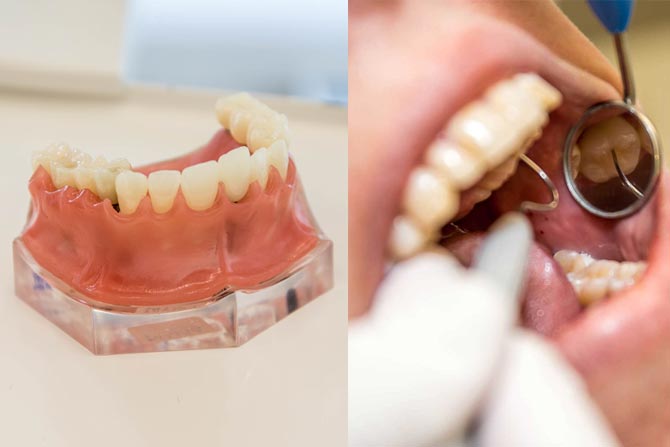
Losing a tooth sneaks up on you. You don’t really notice it at first — you just start chewing on the other side, skip the crusty sourdough, maybe smile a bit differently in photos. Months pass. Then a year. And what started as a temporary thing starts to feel like just… your life now.
If you’ve been Googling dental implants Point Cook, something’s probably shifted. Maybe you’re sick of working around a gap. Maybe someone mentioned implants at your last check-up and you want to know what that actually means before you commit to anything. Either way, here’s an honest rundown — no fluff, no pressure.
So What Is a Dental Implant, Exactly?
It’s a small titanium post that goes into your jawbone — basically a replacement for the root of your missing tooth. Over a few months, your bone bonds with it. Once that’s settled, a crown gets put on top. That’s your new tooth.
Simple idea. Bit of a process to get there. But the end result is a tooth that looks right, works properly, and doesn’t need to come out at night.
Compare that to the other options:
- Bridges fill a gap by leaning on the teeth next door — which usually means those perfectly healthy teeth need to be filed down. A lot of people aren’t keen on that once they find out.
- Dentures cover more ground and cost less upfront, but they move around, they need maintenance, and not everyone gets on with them.
- Implants stand on their own. Nothing shifts, nothing pops out, and you clean them like a regular tooth.
None of these are automatically the right answer. It depends on your health, your bone structure, your budget, and honestly, what you can handle.
Why Do People Actually Choose Implants?
Mostly it comes down to wanting to eat like a normal person again. That sounds basic, but after years of quietly steering away from certain foods, being able to just eat without thinking about it is a bigger deal than it sounds.
There’s also something most people don’t find out until they’re already looking into this: when a tooth goes missing and nothing replaces the root, the bone in that part of your jaw slowly starts to shrink away. Not overnight — gradually. But it can eventually change the shape of your face. An implant keeps the bone stimulated, which is part of why dentists often bring it up sooner rather than later.
And they last. A good implant, looked after properly, can go for decades. The crown on top might wear down eventually and need replacing, but the implant itself is genuinely built for the long haul. Upfront it costs more — no question — but over twenty years the maths often shifts.
Will It Work for You?
Can’t say for sure without someone properly looking at your mouth, but here’s the general picture.
You’re likely a decent candidate if you’ve got one or more missing teeth (or a tooth that’s not worth saving), your gums are in reasonable shape, and your overall health is okay. Non-smokers tend to heal better, though smoking isn’t always a flat-out no — it just needs an honest conversation.
Some stuff that might need sorting first:
Bone loss — If a tooth has been gone for years, the bone underneath may have thinned quite a bit. A bone graft can sort that out, but it adds time to the process.
Smoking — Slows healing and raises the risk of the implant not taking. Worth being upfront with your dentist about rather than mentioning it on the way out.
Diabetes — Well-managed, most people do fine. Poorly controlled blood sugar is where it gets complicated.
Some medications — Particularly certain osteoporosis drugs. They can mess with how bone heals around the implant. Bring a full list of what you’re taking to your first appointment.
None of these things necessarily rules you out. They just mean your dentist needs the full picture before making a call.
What Actually Happens
Here’s the real sequence, not the glossy brochure version.
First, a proper consult. Your dentist checks your teeth, gums and bone — usually with X-rays or a 3D scan — and puts together an actual treatment plan with costs and timelines. If you walk out without any of that, find someone else.
Prep work if needed. Any extractions happen first. If you need a bone graft, that’s done and given time to heal — which can take a few months. You’re not rushing this part.
Placing the implant. Done under local anaesthetic. Most people are genuinely surprised by how manageable it is — similar to having a tooth pulled, according to most patients. Sedation is usually available if you’re anxious about it.
Waiting. This is the part that takes patience. Your bone needs three to six months to properly fuse with the implant. A temporary tooth can usually go in during that time so you’re not walking around with a visible gap.
The crown goes on. Once the implant is solid, a small connector piece is attached and your custom crown is fitted. Your dentist checks your bite, tweaks it if needed, and that’s genuinely it.
What to Expect After
The first few days are the roughest, and even then, most people are surprised how okay they feel. Some swelling, maybe a bit of bruising, some soreness. Standard pain relief handles it for most people. A lot of patients are back at work the next day.
Things that help early on:
- Soft food for a while — soup, mashed potato, yoghurt, scrambled eggs, that sort of thing
- No straws, no hot drinks, no smoking while the area heals
- Gentle salt water rinses after meals
- Go to your follow-up appointments even if you feel totally fine — that’s how small issues get caught before they become bigger ones
Long-term it’s just regular dental hygiene. Brush twice a day, floss around it, see your dentist. The implant itself can’t get a cavity, but the gum around it still needs to stay healthy.
A Few Things Worth Knowing Before You Commit
Don’t sit on it too long. The longer a gap goes without a root, the more bone you lose — and the more complicated treatment becomes. Early advice keeps your options open.
Cheapest isn’t always best value. Get a few quotes, but ask what they actually include — materials, number of visits, what happens if there’s a complication. There’s a meaningful difference between a genuinely good deal and a quote that leaves things out.
Ask about payment plans. Most clinics offer them. Your private health fund might also contribute to some of the costs depending on your extras cover — worth checking before you write it off.
Get a written treatment plan. Costs, steps, timeline — all of it on paper. Any clinic that won’t provide that is one to avoid.
Why Where You Go Matters
Implant treatment stretches over several months. Having a local dentist — someone you can get to without a mission — genuinely makes a difference to how manageable the whole thing feels.
If you’re in Point Cook, Williams Landing, Altona Meadows, Hoppers Crossing, or anywhere in the western suburbs, a clinic nearby means appointments are easier to fit in around work, school pickups, and everything else going on. And if something feels off during recovery — a bit of unexpected soreness, a question you forgot to ask — you want someone a short drive away, not across the city.
There’s also something to be said for going somewhere that actually knows you. A local practice that sees you for regular check-ups understands your history. That matters over the course of treatment that takes months to complete.
When you’re weighing up dental implants Point Cook options, factor that in — not just cost and proximity, but whether the people there actually take time to explain things properly.
Questions worth asking at your first consult:
- How many implants have you placed, and how long have you been doing this?
- Looking at my scans, will I need any prep work?
- What’s included in the full cost, from start to finish?
- What’s the realistic timeframe for my situation?
- If something goes wrong down the track, what’s the process?
Ready to Actually Find Out?
Missing teeth are incredibly common. Putting off doing anything about them is even more common. But the earlier you get proper advice, the simpler your options tend to be.
A consultation doesn’t lock you in to anything. It’s just a chance to get a proper look, ask your questions, and find out what’s actually realistic for your situation without any pressure to decide on the spot.
If you’ve been quietly wondering about dental implants Point Cook, just book a chat with a local dentist and go from there. Most people say it was less daunting than they expected — and knowing where you stand is always better than guessing.
Dentist Recommendation
Lentini Dental
Address: 21 Princes Hwy, Werribee VIC 3030
Phone: (03) 9742 6928