
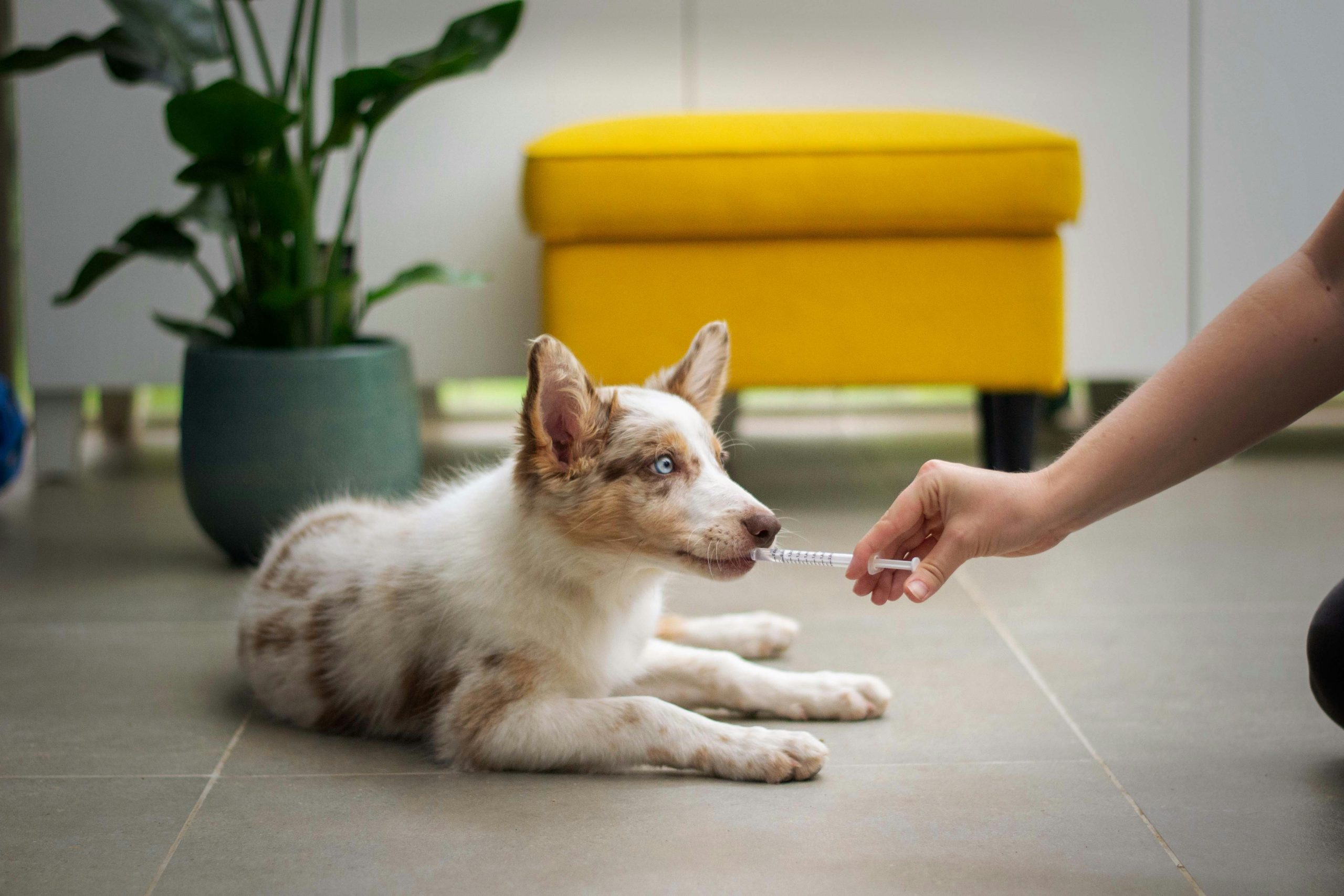
Most of us in Highfields have done the run into Toowoomba with a sick animal in the back. The dog’s panting all over the window. The cat’s been howling since Cabarlah, or since the end of your driveway. You’re watching the clock because you’ve got to be back for school pick-up.
It’s about twenty minutes when the roads are good, but that’s not really the point. When your dog’s been vomiting since breakfast or your cat’s walking a bit funny, you want to get them seen without turning it into a whole trip.
That’s a big part of why Highfields Veterinary is here. We look after dogs and cats from Highfields and the towns around it, and we run puppy preschool for people who’ve just brought a new pup home and are wondering what they’ve got themselves into.
Why a local vet makes sense up here
Highfields isn’t the small town it was twenty years ago. There are new estates going in all the time, plenty of families, and a lot of acreage out towards Geham, Hampton and Meringandan. Most of those houses have a dog. Plenty have two, plus a cat or three that turned up and never left.
Having a vet close by changes how you deal with the small stuff. If it’s a quick drive, you’re more likely to get that lump looked at or bring the dog in when he starts favouring a back leg. When the vet’s a fair way off, those things tend to get put off for a week or two. Sometimes that’s fine. Sometimes it isn’t.
It also helps that we know what animals deal with around here. Life on the Range is different from life on the coast, and the advice should be too.
What dogs around Highfields actually come in for
Every dog’s different, but you see patterns after a while.
A lot of dogs on acreage live half their lives in long grass. That means grass seeds in ears and between toes, especially from late spring through summer. If your dog’s suddenly shaking its head or tilting it to one side, or licking at one paw like it’s personally offended them, a seed is worth ruling out. They don’t come out on their own, and they can work their way in further than you’d think.
Snakes are part of rural life out here too. Browns turn up around sheds, chook pens and dams once it warms up. If you think your dog’s been bitten, don’t wait to see if it gets worse. Keep them as still as you can and get them in straight away. Ring ahead if you can so we’re ready.
Then there’s the cold. Toowoomba region winters bite, and old dogs feel it in their hips and elbows. If your older dog’s slow getting up in the morning, struggling with the back step or not keen on the car anymore, that’s usually arthritis, and there’s a lot we can do to make them more comfortable. “He’s just getting old” is true, but it doesn’t mean he has to be sore.
The rest is the everyday stuff that keeps dogs well:
- vaccinations, including parvo, which still turns up in the region
- heartworm, worm, flea and tick prevention that suits where your dog actually goes
- desexing
- teeth, which get ignored far more than they should
- itchy skin and ear infections, which are a constant for some breeds
If you’re heading to the coast for school holidays and taking the dog, have a chat with us about paralysis ticks before you go. They’re a much bigger risk down there than at home, and some people don’t find that out until it’s too late.
Cats hide things, and they’re good at it
Cats are a different story. A dog will tell you something’s wrong by flopping on the floor and looking sorry for itself. A cat will act like nothing’s wrong right up until something’s very wrong.
It comes from being both a small hunter and something bigger animals like to eat. Showing weakness isn’t in their nature. So by the time most owners notice, the problem has often been building for weeks or months.
The signs are usually quiet. Your cat’s drinking more water than usual, or you’re scooping more out of the litter tray. They’ve gone a bit bony along the back even though they’re eating fine. They’re sleeping somewhere new, or hiding more, or not jumping up onto the bench anymore. None of that screams emergency, but it’s exactly what we want to hear about. Kidney problems, an overactive thyroid and diabetes all tend to show up this way in older cats.
A few things can’t wait. A male cat straining in the litter tray and producing nothing needs to be seen the same day, because a urinary blockage can kill them quickly. And if you’ve got lilies in the house, get rid of them. Even a bit of pollen licked off their fur can cause kidney failure.
We also know most cats would rather do just about anything than visit the vet. We handle them quietly, give them a minute to work out where they are, and don’t rush things. Put a towel over the carrier on the way in. Bring one from home that smells familiar. It helps more than you’d expect.
A yearly check-up is the best way to catch problems while there’s still plenty we can do. For cats over about ten, twice a year is better.
Puppy preschool is about more than “sit”
If you’ve just brought a puppy home, you’ve probably been woken at 3am, had your ankles chewed and stepped in at least one wee you didn’t see. That’s normal. It does get better.
Puppy preschool at Highfields Veterinary is for pups in their first few months. Yes, they’ll learn a bit of sit and come. But that’s the least important part.
Between roughly eight and sixteen weeks, a puppy’s brain is working out what’s normal and what’s scary. Other dogs, strangers, kids, the vacuum, a ute door slamming, getting their feet handled. What they meet in a calm, safe way during those weeks tends to stick. What they miss can turn into fear later, and a fearful adult dog is a much harder thing to deal with than a cheeky puppy.
So a lot of preschool is simply letting pups meet other pups their own age, under supervision, and learn some manners. They learn that a pup who yelps means “too rough.” They learn that new people are fine. They get handled on the vet table and walk out with treats, so the clinic becomes somewhere good instead of somewhere scary.
Honestly, it’s as much for the owners as the puppies. You’ll get straight answers on toilet training, crate training, mouthing, jumping up and what to feed them. You’ll also find out you’re not the only one whose pup ate a thong. Plenty of the people in each group live just down the road, and some keep catching up long after the classes finish.
If you’ve got kids, bring them. A puppy that learns to be calm around children early on saves you a lot of grief later.
Give us a call to check your pup’s age and vaccinations, and we’ll let you know when the next group starts.
When to ring us
You don’t need to be certain something’s wrong before you call. Plenty of people hold off because they don’t want to waste anyone’s time. Ring anyway. If it can wait, we’ll tell you. If it can’t, you’ll be glad you rang.
Definitely call if your pet:
- has been vomiting or has diarrhoea for more than a day, or there’s blood in it
- has stopped eating
- is struggling to breathe or coughing a lot
- is limping and it’s not easing
- has a new lump, a wound, or a swollen face or leg
- has eaten something it shouldn’t have, like rat bait, chocolate, cooked bones or a sock
What it’s like coming in
Nothing fancy. You book in, tell us what’s going on, and we look your pet over properly. We’ll ask about their food, their routine and anything you’ve noticed. You know your animal better than anyone, so we listen.
Before we do anything, we’ll explain what we found and what we’d recommend, and give you an idea of cost. If there’s more than one way to go, we’ll talk you through each one. No pressure and no surprise bill at the front counter.
We see pets from Highfields, Toowoomba, Cabarlah, Geham, Meringandan, Hampton, Crows Nest and plenty of places in between.
Come and say hello
If your dog’s due for a check-up, your cat’s been acting a bit off, or there’s a new puppy in the house chewing through your furniture, give Highfields Veterinary a ring or book online. It’s close, it’s easy, and you’ll be home before the kettle’s cold.